Irrigation System & Water Features in Dubai
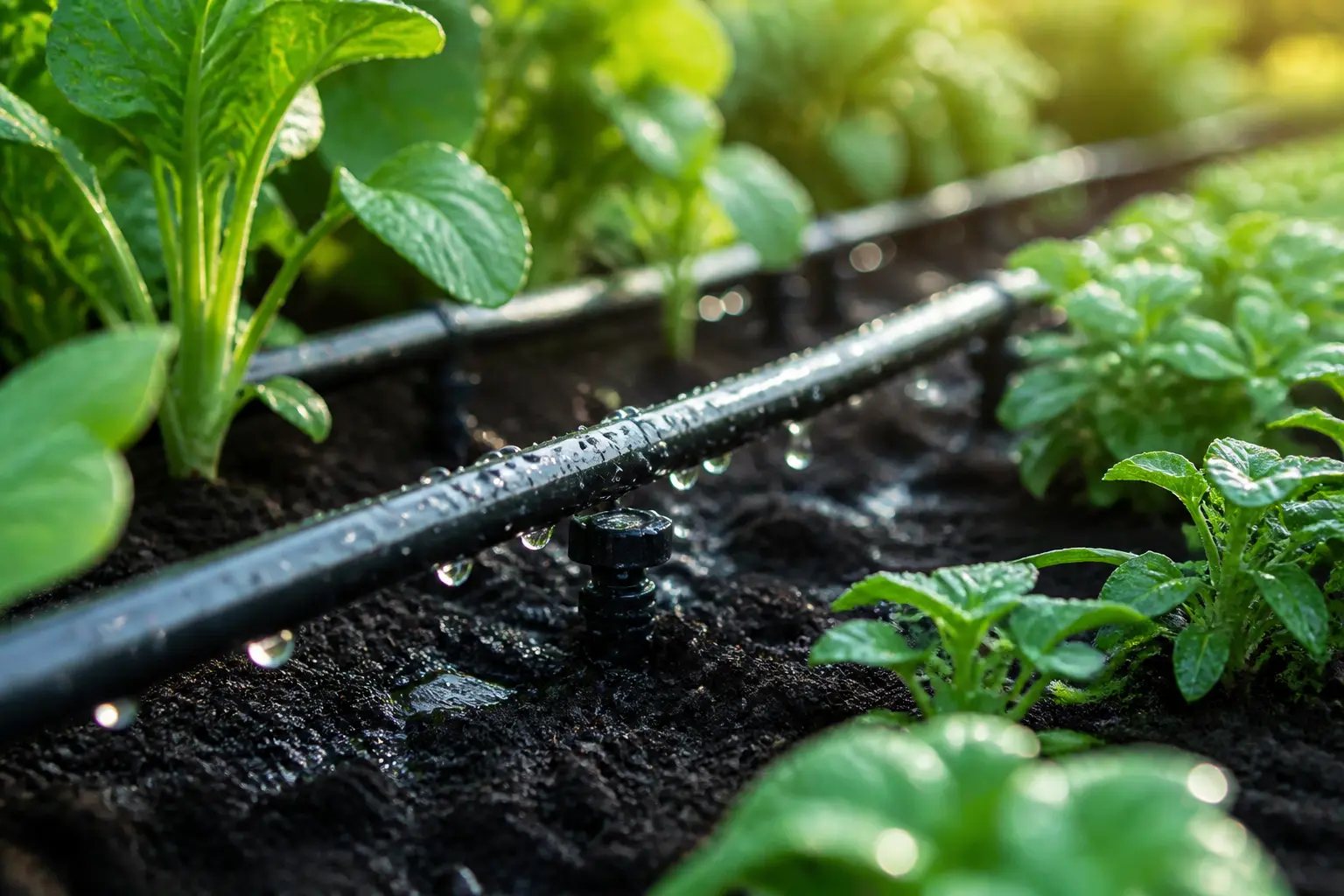
Drip and sprinkler systems designed around each planting zone, so plants are watered on the schedule they need and less water is wasted.
- Free site visit
- Fixed written quote
- We reply within 2 hours during working hours
An irrigation system designed for Dubai gardens
An irrigation system in Dubai delivers water to each part of the garden on a schedule, so plants get what they need and little is lost to evaporation or runoff. Gardenscapes designs and installs a garden irrigation system in Dubai with drip lines for beds and hedges, pop-up sprinkler heads for natural lawns and controllers that change runtimes with the season, and audits and repairs systems that already exist.
Mains water on a DEWA supply can be hard, pressure can vary between communities and summer demand is far higher than winter demand. A Dubai irrigation system should be designed around those three facts. Irrigation companies in Dubai differ in scope, so this page sets out what is and is not included.
Everything this service covers
Drip and pop-up sprinkler systems
Seasonal timers and moisture sensors
Fountain and pond installation
System audits and repairs
Water-efficient zoning
Seasonal schedule programming
And what it does not cover
Unclear scope turns quotes into disputes. These items sit outside this service and are priced separately.
- DEWA connection work and meter changes. Those go through DEWA, not through the irrigation scope.
- Treated sewage effluent (TSE) connections. Whether a site can irrigate with TSE is for the authority and your facilities team to confirm, and it is most relevant on commercial and common-area sites.
- Pool circulation, filtration and plant rooms. Different trade, different equipment.
- Your water bill. Zoning and scheduling reduce waste, but DEWA sets the tariffs.
The process, step by step
- 1
Audit
We map your garden zones, check existing lines and identify pressure or coverage issues.
- 2
Design
A zone plan is created matching plant types to the right watering method and schedule.
- 3
Install
Pipes, valves, emitters and controllers are installed and tested zone by zone.
- 4
Programme
We set seasonal schedules and show you how to adjust for summer and winter.
Choose the right spec for your plot
| Option | Best for | What to know |
|---|---|---|
| Drip lines | Beds, hedges and planters | Water is delivered at the root zone with far less evaporation loss than overhead spray. The backbone of a water-efficient Dubai garden. |
| Pop-up sprinklers | Natural lawns | Recessed heads that sit flush when off. Pressure-regulated heads are worth specifying because supply pressure can vary between communities. |
| Seasonal controllers | Systems with several zones | Wi-Fi timers that adjust runtimes by season, and many models can skip cycles after rain. You can control zones from your phone. |
| Filters and pressure regulators | Every zone on hard DEWA mains water | A filter at each valve and pressure-compensating emitters keep flow even as scale builds. Filters need cleaning, and lines need flushing, on a regular schedule. |
| Bubblers | New trees and large shrubs | Slow, deep watering at the base of a single plant. Useful while a tree establishes, then adjusted as roots spread. |
Water quality, savings and seasonal schedules in Dubai
Irrigation is a major variable in what a Dubai garden costs to run. According to US EPA WaterSense, drip and other microirrigation uses 20 to 50 percent less water than conventional sprinklers, and how much that changes your DEWA bill depends on how much of your water the garden uses.
Mains water on a DEWA supply can be hard, and the dissolved minerals build up as scale that can clog emitters over time. A sound design specifies pressure-compensating emitters and a filter at every valve, and lines should be flushed regularly to keep the flow even. If your community irrigates with treated sewage effluent or borehole water instead, salt levels are far higher, and the emitter and filter choices change with them.
Plants need considerably more water in summer than in winter, so a system needs separate seasonal schedules: higher runtimes before the heat arrives and lower ones in the cooler months. Ask for seasonal schedules to be set at handover; a maintenance agreement can include revisiting them, which helps avoid stress in July and waterlogging in January.
Drip irrigation or sprinkler system: which goes where
Drip irrigation in Dubai suits beds, hedges, trees and containers, because water goes to the root zone and little is lost to wind or evaporation. A sprinkler system in Dubai suits a natural lawn, where even coverage across open ground is the aim. A garden with both a lawn and planted beds needs both methods on separate zones, because they need different runtimes and pressures. Putting them on one valve will usually overwater one and stress the other.
| Method | Best for | Watch out for |
|---|---|---|
| Drip lines | Beds, hedges, trees and containers | Emitters can clog with scale, so filters and regular flushing matter. |
| Pop-up sprinklers | Natural lawns | Overspray onto paving and walls wastes water and marks surfaces. Pressure-regulated heads help. |
| Bubblers | Individual trees and large shrubs | Slower, deeper watering at the base, which suits newly planted trees. |
| Seasonal controller | Systems with several zones | Needs a stable Wi-Fi signal and the right settings. Check that it keeps its programme after a power cut. |
Garden irrigation system faults to check before replacing anything
Many faults in a garden irrigation system are small: a clogged filter, a stuck valve, a cracked riser or a controller that lost its programme after a power cut. An audit finds which, so a repair may be all that is needed. Patchy lawns, wet paving at dawn and hedges that brown in one section only are the usual signs that a zone is failing.
What moves the price
Every Dubai plot differs, so quotes follow a site visit. Four things move the number.
Zones and pipe runs
More zones, longer pipe runs and hard-to-reach beds increase materials and labour in an irrigation system.
New build or retrofit
A system laid before planting is simpler than one fitted around established beds, paving and turf. Trenching, breaking out surfaces and making good add scope.
Drip, sprinkler and controller choices
Drip lines, pop-up sprinklers, a basic timer and a seasonal controller with rain and moisture sensors sit at different price points. Ask what each can and cannot do before comparing quotes.
Water supply and pressure
Hard mains water calls for filtration and pressure-compensating emitters, and pressure varies between communities. New connections and meter changes go through DEWA and are not part of the irrigation price.
Your written quote will be fixed and itemised, will state what is included and excluded, and will show authority and engineer fees as separate lines, so you can compare it line by line.
Want the full picture before we visit? See what moves the price on a Dubai garden.
Irrigation across Dubai
Community pages with local notes for this service. Gardenscapes works across Dubai, so ask about yours.
Not sure we cover your community? See every Dubai area we work in.
Irrigation: your questions answered
Can you retrofit irrigation into an existing garden?
Do seasonal irrigation controllers save water?
What does an irrigation system cost to install?
How often should the system be serviced?
Can you add a fountain or water feature to an existing garden?
What is the difference between drip irrigation and a sprinkler system?
How do I choose between irrigation companies in Dubai?
Why does my irrigation leave dry patches or wet paving?
Something else on your mind? Call +971 56 950 6394 or send a WhatsApp. We reply within 2 hours during working hours.
Guides to read next
Longer guides on questions this page only touches.
-
Irrigation problems in Dubai: how to diagnose and fix a failing system
Dry patches, puddles or a high DEWA bill? Diagnose irrigation problems in Dubai, fix clogged drip emitters and leaks, and know when to call a technician.
Read diagnosing clogged emitters, leaks, controller faults and zoning mistakes -
How to maintain a garden through the Dubai summer
How to maintain a garden in Dubai summer: when to water, what to stop doing, how to use mulch and shade, and how to check for dust and pest damage in the heat.
Read adjusting irrigation and garden care for a Dubai summer -
Water feature in Dubai: fountain, pond or rill ideas for a villa garden
Choosing a water feature in Dubai: fountain, pond, rill or pebble feature compared for evaporation, mosquitoes, hard water, power, approvals and upkeep.
Read what fountains, ponds and other water features involve in a Dubai garden -
Desert landscape design in Dubai: drought-tolerant gardens for villas
Desert landscape design Dubai: build a drought-tolerant garden with native plants, efficient irrigation, shade and ideas for villa and courtyard gardens.
Read low-water desert planting for Dubai gardens, and the irrigation it needs
Related services
These services pair well with this one.